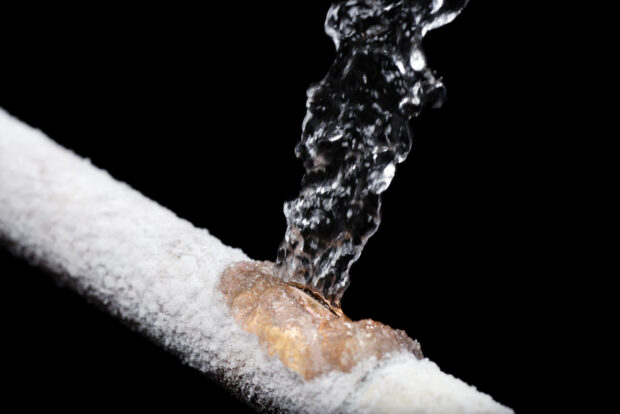
When temperatures start to plummet, your home’s plumbing becomes vulnerable to a range of problems that go beyond simple inconvenience. Cold weather doesn’t just make your water feel chilly; it sets the stage for some of the most damaging and costly plumbing emergencies. The primary concern during winter is frozen pipe prevention, which if neglected, can escalate into the burst pipe danger that homeowners dread.
Understanding what really happens to your plumbing in the cold involves delving into the science, exploring practical preparation strategies, and recognizing the implications of water damage. Let’s explore how low temperature plumbing behaves, what you can do to protect your home, and how to recover if the worst happens.
The Science of Thermal Expansion Stress and Water Line Freezing
To fully grasp winter’s impact on your plumbing, it helps to understand the underlying physical forces. Water behaves uniquely as it freezes; it expands. This expansion is at the root of thermal expansion stress, the process that causes frozen pipes to eventually rupture. When water freezes inside a pipe, it increases in volume by about 9%, exerting immense pressure on the surrounding pipe walls. This pressure doesn’t need to last long; even a short freeze can compromise the structural integrity of your plumbing.
The danger isn’t just in the frozen section. The actual rupture often occurs somewhere downstream, where pressure has built up between the ice blockage and a closed faucet. That’s why the burst pipe danger can appear deceptively far from the original frozen section.
Water line freezing usually begins in areas that are poorly insulated or exposed to the elements, such as basements, crawl spaces, attics, and exterior walls. Pipes in these vulnerable zones are particularly prone to freezing if not protected with adequate pipe insulation.
Why Frozen Pipe Prevention Should Be a Priority
Preventing frozen pipes is far easier and cheaper than repairing the aftermath of a burst. Once a pipe freezes, it becomes a ticking time bomb. Even if it doesn’t burst immediately, the strain on the material can weaken it, making it more susceptible to leaks later on.
Frozen pipe prevention includes keeping the heat on even when you’re away, opening cabinet doors to allow warm air to circulate around plumbing under sinks, and letting faucets drip during extremely cold nights. But these are reactive steps. A truly effective prevention strategy begins with evaluating your home’s vulnerability to low temperature plumbing issues and proactively fortifying it.
Don’t underestimate the importance of inspecting less visible areas of your home. Pipes in unheated garages, behind kitchen cabinets along exterior walls, and in older homes with less insulation are high-risk zones. Preventing freezing is not just about comfort; it’s a fundamental aspect of protecting your home’s infrastructure.
The Role of Pipe Insulation in Winter Plumbing Protection
Pipe insulation is one of the most effective and affordable defenses against winter plumbing disasters. Whether it’s foam tubing, fiberglass wraps, or newer self-sealing insulation sleeves, adding a thermal barrier between your pipes and the surrounding cold air can significantly reduce the risk of freezing.
Good pipe insulation slows heat loss from hot water pipes and helps cold water pipes stay above freezing temperatures. It’s especially crucial in unheated areas like attics, basements, and garages. Insulating both hot and cold water pipes not only aids in frozen pipe prevention but also improves energy efficiency, reducing your utility bills during winter.
Moreover, pipe insulation helps maintain consistent water temperatures, which is important for household tasks like bathing, cooking, and cleaning. It also extends the lifespan of your plumbing system by minimizing thermal expansion stress and reducing the cycles of freezing and thawing that can weaken materials over time.
Homeowners should inspect existing insulation before each winter, looking for gaps, deterioration, or moisture damage that could reduce its effectiveness. Installing pipe insulation is often a simple DIY task, but for complex systems or hard-to-reach areas, professional help is a smart investment.
Hose Bib Preparation: A Key Exterior Task Before Winter
Hose bibs, the outdoor faucets used for garden hoses, are a critical yet often overlooked component in winter plumbing preparation. These fixtures are highly susceptible to freezing because of their direct exposure to cold air. When homeowners leave hoses attached or forget to drain the line, water trapped inside can freeze and expand, leading to cracked pipes inside the walls.
Proper hose bib preparation involves disconnecting and draining all garden hoses, shutting off the interior valve that controls the outdoor spigot (if available), and leaving the exterior faucet open to allow any residual water to escape. Installing frost-free hose bibs is another excellent preventative measure, especially in climates where low temperature plumbing threats are an annual concern.
Some homeowners go a step further by installing insulated faucet covers, which provide an extra layer of protection. These small investments can prevent significant issues later, especially considering that hose bib-related pipe bursts can lead to water damage within walls, a problem that’s difficult and expensive to detect and repair.
Water Damage Mitigation After a Pipe Burst
Despite best efforts, sometimes a pipe does burst, and the consequences can be severe. A single burst pipe can release hundreds of gallons of water per hour, quickly saturating floors, walls, and furnishings. Immediate water damage mitigation is essential to limit structural damage and mold growth.
The first step is shutting off the main water valve to stop the flow. Next, any standing water must be removed using wet vacuums, mops, or professional extraction equipment. Dehumidifiers and fans should be deployed as soon as possible to dry out affected areas.
Documenting the damage for insurance purposes is also important, as many homeowners’ policies cover water damage due to burst pipes. Contacting a licensed plumber to assess the break and make repairs is essential before restoring water service. If the affected area is extensive, hiring a water restoration specialist can ensure a thorough cleanup and prevent lingering moisture that could cause mold or mildew.
Long-term, homeowners should learn from the incident by addressing the root cause. This may mean improving pipe insulation, sealing air leaks, upgrading to PEX plumbing (which is more freeze-resistant), or reconfiguring vulnerable piping runs altogether.
Conclusion
Cold weather presents a serious threat to home plumbing systems, with frozen pipe prevention standing as the first line of defense. Ignoring this crucial step can lead to the burst pipe danger that wreaks havoc on your property and finances. From the hidden threat of thermal expansion stress to the critical importance of pipe insulation and hose bib preparation, every aspect of your plumbing needs special attention during winter months.
Understanding how water line freezing occurs and acting proactively can save you from costly repairs and major inconveniences. If disaster does strike, fast water damage mitigation can make the difference between a manageable fix and a full-blown renovation project.
As winter approaches, take the time to winterize your plumbing system. A few simple precautions now can prevent a flood of problems later, literally. Protect your pipes, preserve your peace of mind, and enjoy the season without the stress of an unexpected plumbing emergency.
Need Plumbing Services in Modesto, CA?
Welcome to Alvarado Pumping Septic Service, your family owned and operated septic system service company. Serving Stanislaus County and the surrounding areas for over 10 years, we offer the most competitively priced services from septic tank installation to septic tank inspection. When you need a reliable and trustworthy septic pump service, Alvarado Pumping Septic Service is there to help. With emergency services available, we take away the stress that comes with costly repairs. We do it right the first time, every time. Septic tank maintenance will avoid the high cost of a repair later on; we offer a complete pumping service that will keep everything moving the way that it should, with tight and waterproof sealing. Contact us today to learn more about what we can do for you!