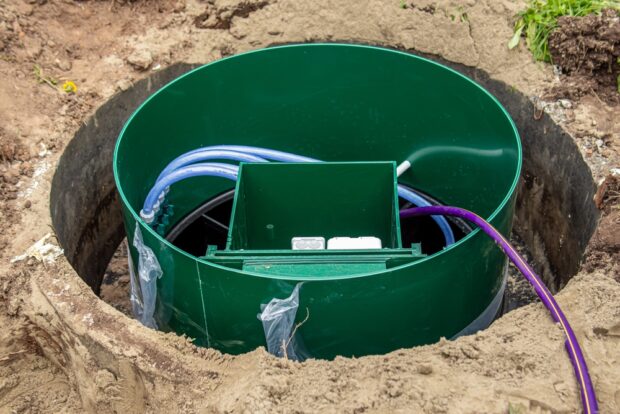
Understanding your septic system is crucial for maintaining your home’s sanitation and protecting the surrounding environment. Many homeowners only think about their system when something goes wrong, but a well-maintained septic system can operate efficiently for decades. With proper knowledge and care, you can avoid expensive repairs and system failures. Let’s explore how your system works, what its key components do, and how to keep it running smoothly.
The Basics of a Septic System: From Waste to Water
A septic system is a self-contained wastewater treatment setup typically used in rural areas without centralized sewer connections. It starts with wastewater exiting your home through a single pipe that leads into a septic tank. Inside this tank, a natural separation process begins. Solid waste materials form two distinct layers: scum, which is made of fats and oils and floats to the top, and sludge, which consists of heavier solids that sink to the bottom. Between these two layers sits the clarified liquid called effluent.
Effluent is the wastewater that eventually leaves the septic tank. After the solids have settled, the effluent flows out through the outlet baffle into the next phase of the system. The outlet and inlet baffles are designed to keep the floating scum from entering or exiting the tank, which helps maintain a steady and efficient flow. These t-shaped pipes are among the simplest yet most essential parts of your system, keeping unwanted waste materials in check.
Once the effluent leaves the septic tank, it passes through a distribution box (or d-box). This component splits the outflow evenly among multiple pipes leading to your drainfield. The drainfield, also known as a leach field, is a critical area where wastewater is filtered back into the soil. It’s made up of perforated pipes laid in gravel trenches that allow the liquid to seep out gradually, where the soil finishes the treatment process by removing harmful bacteria, viruses, and nutrients.
The Role of Bacterial Balance and Natural Processes
Your septic tank isn’t just a holding area for waste. It’s also a biological treatment center. The bacterial balance inside your tank is essential to breaking down organic materials. Naturally occurring enzymes and bacteria go to work as soon as waste enters the tank. These microorganisms digest solids and reduce the overall volume of waste, making your system more efficient.
However, this bacterial balance can be easily disrupted. Many household cleaners, bleach, antibacterial soaps, and harsh chemicals can kill these beneficial bacteria. Without them, solids won’t break down properly, and your tank can fill up much faster. This makes septic tank pumping a more frequent necessity, which can become costly over time.
It’s also crucial to avoid flushing non-biodegradable solids down the toilet or pouring grease into the sink. Items like wet wipes, feminine hygiene products, dental floss, and even certain types of tissue paper do not decompose easily. They accumulate in the tank, take up valuable space, and can cause clogs or backups. Maintaining a healthy bacterial environment supports the natural processes that keep your septic system running smoothly.
Maintenance Matters: Why Pumping Is Critical
Out of all the maintenance tasks your septic system needs, septic tank pumping is the most critical. This process involves removing the sludge and scum layers that build up over time. If these layers get too thick, they can overflow into the outlet pipe, allowing solids to reach the drainfield. This can clog the perforated pipes and cause the entire system to fail, requiring expensive repairs or even full replacement.
How often you need to pump your tank depends on several factors, including household size, water usage, and tank capacity. Most systems should be pumped every 3 to 5 years, but if you use a garbage disposal frequently or have a larger family, more frequent pumping might be necessary. A good rule of thumb is to have your system inspected annually by a licensed professional who can measure the sludge and scum layers and recommend a schedule tailored to your needs.
Regular pumping also allows for the inspection of other key components such as baffles, filters, and the distribution box. Catching damage early can prevent failures and save you money in the long run. Neglecting this simple task is one of the most common reasons septic systems fail prematurely.
Understanding Your Drainfield and the Importance of Soil
Once effluent leaves the tank, it’s not ready to return to nature just yet. The drainfield handles this final step in the wastewater treatment process. The pipes in your drainfield slowly release effluent into the surrounding soil, which then acts as a natural filter. Microorganisms in the soil break down any remaining contaminants, effectively purifying the water before it reenters the groundwater supply.
To ensure this system works, the soil must be able to absorb water at a steady rate. This is measured by the soil absorption rate, often referred to as a perc test (short for percolation test). Before installing a new system, a perc test determines how well the soil drains. If your property has clay-rich or compacted soil with a slow absorption rate, the system may need to be larger or more specialized to avoid pooling and system overload.
If the soil becomes saturated due to overuse or poor drainage, your system can experience a hydraulic overload. This occurs when too much water enters the system too quickly, often from long showers, multiple loads of laundry, or heavy rainstorms infiltrating the tank or drainfield. When the soil can’t absorb the water fast enough, effluent can back up into the house or surface in the yard, posing serious health hazards and damaging your property.
Warning Signs and Common Septic System Issues
A properly functioning septic system should be silent and invisible. If you start noticing soggy patches in your yard, unpleasant odors near the drainfield, or slow drains in your home, these are red flags that something is wrong. Gurgling sounds in your plumbing or backups in sinks and toilets can also indicate that your tank is full or that there’s a blockage in the system.
One of the most common causes of failure is hydraulic overload. This happens when too much water is introduced too quickly, outpacing the system’s ability to treat and distribute it. Preventing overload means spreading out your water usage over the week rather than doing all your laundry in one day or running multiple high-water appliances at once.
Another issue arises from the accumulation of non-biodegradable solids. These items are not broken down by bacteria and take up space in the tank, reducing its capacity and efficiency. Eventually, they can clog pipes and damage the pump or distribution box. Ensuring that only waste and toilet paper are flushed, and that grease or oil is never poured down the drain, will significantly prolong your system’s lifespan.
System components like inlet and outlet baffles or the distribution box can also fail due to age, corrosion, or clogging. These parts are often out of sight and out of mind but are critical to keeping wastewater moving correctly through your system. Routine inspections help catch these issues before they become major problems.
Conclusion
Your septic system is one of the most vital yet often overlooked components of your home. A basic understanding of how it works, what its components do, and how to care for it can prevent headaches and costly repairs. From maintaining the bacterial balance inside your tank to ensuring the effluent is properly dispersed through your drainfield, every part of the system plays an essential role.
Pumping your tank regularly, avoiding non-biodegradable solids, spreading out your water usage to avoid hydraulic overload, and staying on top of inspections will keep your system healthy for decades. With a little knowledge and consistent care, you can ensure that your septic system continues to function quietly and efficiently, protecting both your home and the environment around it.
Need Plumbing Services in Modesto, CA?
Welcome to Alvarado Pumping Septic Service, your family owned and operated septic system service company. Serving Stanislaus County and the surrounding areas for over 10 years, we offer the most competitively priced services from septic tank installation to septic tank inspection. When you need a reliable and trustworthy septic pump service, Alvarado Pumping Septic Service is there to help. With emergency services available, we take away the stress that comes with costly repairs. We do it right the first time, every time. Septic tank maintenance will avoid the high cost of a repair later on; we offer a complete pumping service that will keep everything moving the way that it should, with tight and waterproof sealing. Contact us today to learn more about what we can do for you!