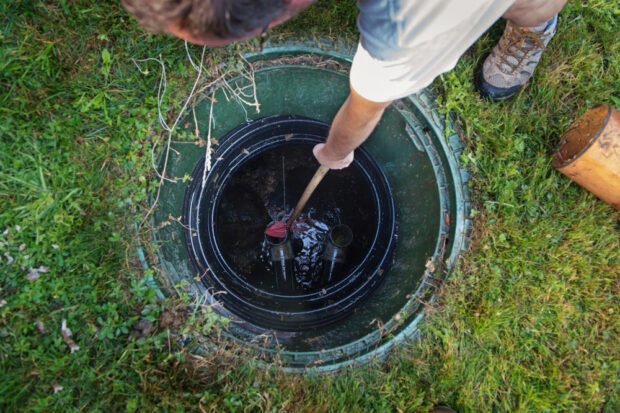
A clogged septic system is one of the most expensive and disruptive problems a homeowner can face. Unlike municipal sewer systems that are maintained by your city or county, your septic system is your responsibility, and neglecting its care can lead to catastrophic failures. Understanding what a clogged septic system means for your home, your health, and your wallet is the first step toward preventing disaster. This comprehensive guide will walk you through the warning signs, the hidden dangers, and the real costs associated with a failing septic system.
Understanding Effluent Surface Pooling and Drainfield Failure
One of the most visible signs of a clogged septic system is effluent surface pooling, which occurs when liquid waste cannot soak into the ground as intended. If you notice spongy grass or bright green patches over your drainfield area, you are looking at a serious problem. These unnaturally lush patches appear because the effluent is rising to the surface instead of being properly absorbed by the soil. This creates a biohazard in your yard that poses risks to your family, your pets, and anyone who visits your property.
The drainfield is designed to allow treated wastewater to slowly percolate through the soil, where beneficial bacteria and natural filtration processes clean the water before it reaches the groundwater table. When effluent pools on the surface, this entire process breaks down. The liquid waste accumulates in visible puddles or creates marshy areas that smell terrible and become increasingly unsafe. This pooling indicates that the soil in your drainfield is no longer accepting water at the rate your system is producing it, which means a complete system failure is imminent if action is not taken immediately.
The Bio-Mat Clogging Problem
Bio-mat clogging is a microscopic disaster happening right beneath your feet. This occurs when a slimy layer of bacteria grows too thick in the drainfield soil, preventing water absorption. You cannot see bio-mat with your naked eye, which makes it particularly insidious. The problem typically develops when excessive grease or non-biodegradable solids enter your septic tank and are not broken down properly.
When you pour cooking grease down your drains or flush items that should not enter a septic system, these materials accumulate in the tank and clog the distribution system. The bacteria that naturally thrive in your septic tank begin to form a protective slime layer called a bio-mat as a response to these contaminants. Over time, this layer becomes so thick and impermeable that water cannot pass through it. The result is a drainfield that gradually loses its ability to accept wastewater, eventually leading to backups and surface pooling. Prevention is far easier than treatment, so keeping grease and non-biodegradable items out of your system is essential.
Hydrostatic Pressure Backflow: A Sewage Emergency
Hydrostatic pressure backflow represents one of the most disgusting and costly scenarios a septic system can create. When your system becomes completely full due to a clog, gravity and pressure force raw sewage backward through your home’s lowest drains. In most homes, this means your shower, bathtub, and basement floor drains become the exit points for raw sewage.
Imagine opening your basement door to find raw sewage backing up through the floor drain. This is not just an unpleasant smell; it is a genuine health hazard and a biohazard cleanup situation. Professional black water restoration companies charge thousands of dollars to properly remediate sewage in a home, and many homeowners are faced with replacement of flooring, drywall, and personal belongings. Beyond the immediate cleanup costs, you may be dealing with structural damage to your home’s foundation, mold growth, and long-term health issues from exposure to pathogens. The insurance claims process for sewage backups is often complicated, and many policies have limits or exclusions for septic-related damage.
Soil Compaction Damage and Drainfield Destruction
Your septic drainfield needs breathing room, both literally and figuratively. Soil compaction damage occurs when vehicles, heavy equipment, or repeated foot traffic compress the soil above your septic system. This compaction crushes the lateral pipes in your drainfield and prevents the soil from breathing, which is essential for the aerobic bacteria to break down waste.
Never drive vehicles over your drainfield, and avoid parking heavy equipment or even large RVs on the area above your tank or lateral lines. The soil needs to remain porous and aerated to function properly. When you compact the soil through vehicle traffic or construction, you destroy the very environment that makes your septic system work. The bacteria that decompose waste require oxygen, and compacted soil cannot provide it. Additionally, the pipes themselves can crack or collapse under the weight of vehicles or equipment. Repairing or replacing crushed lateral lines can cost several thousand dollars, and in some cases, the entire drainfield must be replaced, which exceeds ten thousand dollars.
Contamination and Health Risks: Nitrates, Pathogens, and Odors
A clogged septic system creates multiple contamination pathways that threaten both your immediate health and your long-term safety. Nitrate contamination occurs when a failing system leaks high levels of nitrates and pathogens directly into the groundwater. If you rely on a private well for drinking water, a clogged septic system can directly contaminate your drinking water supply with dangerous bacteria and viruses.
The sulfur rotten egg odors that emanate from a failing septic system are another red flag. Persistent smells around the tank or inside the home indicate that sewer gases, including methane and hydrogen sulfide, are being trapped or pushed out of the pipes due to a blockage. These gases are not only unpleasant but can be hazardous in high concentrations. Long-term exposure to hydrogen sulfide can cause respiratory issues and other health problems. If you detect these odors, do not ignore them as simply a minor inconvenience. They are your system’s way of signaling that something is seriously wrong and requires immediate professional attention.
Hydraulic Overload and Structural Tank Failure
Hydraulic overload happens when too much water is flushed into the system at once, such as doing ten loads of laundry in one day. This sudden surge stirs up the sludge layer and pushes solids into the drainfield, causing an immediate clog. Over time, repeated hydraulic overloads can degrade your entire system. Spreading water usage throughout the week rather than concentrating it into a single day can prevent this type of failure.
In extreme cases, a neglected clog can lead to structural tank failure. The septic tank itself may collapse, or the internal baffles that direct the flow of wastewater may break off. When this happens, you are not simply dealing with a clog anymore; you need a total system replacement. New septic systems cost between ten thousand and twenty thousand dollars or more, depending on soil conditions, tank size, and the complexity of your drainfield. This is not a cost that most homeowners can absorb without significant financial strain, which makes prevention and early intervention absolutely critical.
Conclusion
A clogged septic system is far more than a minor inconvenience. It represents a serious threat to your home’s value, your family’s health, and your financial security. By understanding the warning signs and taking preventative steps, you can avoid the catastrophic costs and health hazards associated with system failure. Schedule regular inspections, pump your tank as recommended, and be mindful of what enters your drains. Your septic system will reward your diligence with years of reliable, trouble-free service.
Need Plumbing Services in Modesto, CA?
Welcome to Alvarado Pumping Septic Service, your family owned and operated septic system service company. Serving Stanislaus County and the surrounding areas for over 10 years, we offer the most competitively priced services from septic tank installation to septic tank inspection. When you need a reliable and trustworthy septic pump service, Alvarado Pumping Septic Service is there to help. With emergency services available, we take away the stress that comes with costly repairs. We do it right the first time, every time. Septic tank maintenance will avoid the high cost of a repair later on; we offer a complete pumping service that will keep everything moving the way that it should, with tight and waterproof sealing. Contact us today to learn more about what we can do for you!