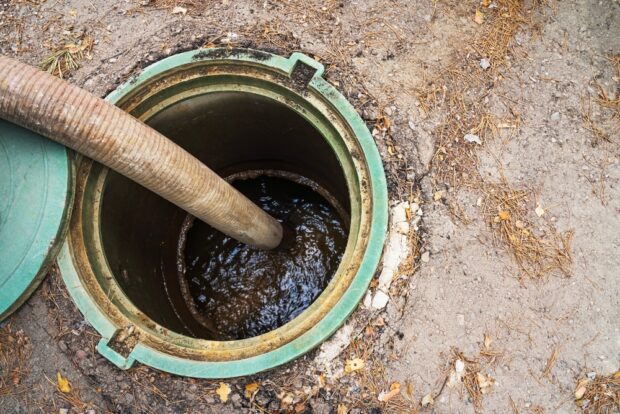
Septic backup causes range from simple neglect to serious structural problems, and ignoring the early warning signs can turn a minor inconvenience into a costly, messy disaster. Understanding what triggers these backups is the first step toward keeping your home and yard safe from sewage overflow. This guide breaks down the most common culprits behind clogged septic pipes and explains what you can do to stay ahead of them.
The Role of a Septic System in Your Home
Before diving into the problems, it helps to understand what your septic system actually does. Unlike homes connected to a municipal sewer line, homes with septic systems manage their own waste on-site. Solid material leaving the house gets broken down into liquid before being released into the earth from the septic tank, which is typically buried underground a short distance from the property. The tank holds waste long enough for solids to settle at the bottom and for liquids to flow into a drain field, where they slowly absorb into the surrounding soil.
This process works efficiently when the system is properly maintained and used correctly. When something disrupts the flow, whether it is a physical clog, an overloaded tank, or damaged pipes, the wastewater has nowhere to go but backward. That is when you end up with a septic drain issue that backs up into your home or surfaces in your yard.
The Top Septic Backup Causes You Need to Know
There is rarely just one reason a septic system fails. Most backups result from a combination of factors that build up over time. However, certain problems come up again and again in homes across the country, and being aware of them can help you take action before things go wrong.
Infrequent septic pumping is one of the most widespread septic backup causes. The most common cause of a septic system backup is a tank that has not been pumped on schedule. Over time, solids accumulate, leaving less room for wastewater to flow properly. Most tanks need to be pumped every 3 to 5 years, depending on household size and usage. When the tank fills beyond its capacity, there is simply no room for incoming waste, and the system pushes sewage back through the pipes and into your home.
Flushing the wrong things is another major contributor to clogged septic pipes. Household items that are not biodegradable can cause serious problems. Flushing items like wipes, feminine hygiene products, and paper towels can lead to clogs in the pipes and tank. Even products marketed as “flushable” wipes do not break down the way toilet paper does, and over time they accumulate in the pipes and tank, restricting flow and creating stubborn blockages.
Tree root intrusion is a less obvious but equally destructive problem. Roots naturally seek moisture and can infiltrate septic pipes, causing blockages or pipe damage that leads to backups. As trees and large shrubs grow, their roots extend far beyond what is visible above ground, and they are drawn toward the moisture in and around your septic pipes. Once inside, the roots expand, crack the pipes, and create the perfect environment for solids to get stuck.
Excessive water usage can overwhelm even a healthy system. Overloading your septic system with excessive water usage can overwhelm the drain field and cause a backup. Running multiple loads of laundry in one day, taking long showers, and similar activities put a strain on the system and prevent proper drainage. When too much water enters the tank too quickly, solids get stirred up and pushed into the drain field before they have a chance to settle, leading to septic drain issues that can be difficult and expensive to fix.
Grease and food waste poured down kitchen drains are common culprits as well. Grease can solidify inside drain lines, and fibrous food scraps should be thrown in the trash rather than sent down the drain. Over time, grease builds up along the walls of the pipes, narrowing the passage for wastewater and eventually causing a full blockage in the system.
Warning Signs Your Septic System Is in Trouble
Knowing the signs of a developing problem can save you from a full-blown backup. Most septic systems provide early warning signs before a full backup occurs. Slow-draining sinks, gurgling sounds in plumbing, sewage odors, and wet spots in the yard near the drain field are all indicators of trouble. If multiple drains are affected at the same time, the issue is often related to the septic system rather than individual plumbing fixtures.
A single slow drain might just be a local clog in one pipe, but when several fixtures throughout the house are all draining slowly at the same time, that points to a systemic problem deeper in the septic system. Wet, unusually green, or spongy patches of grass above the drain field are another red flag, as this often indicates wastewater is surfacing rather than absorbing into the soil.
Ignoring these signs can allow minor problems to escalate into major failures that require extensive repairs. The sooner you contact a licensed septic professional, the better your chances of resolving the issue before it causes significant damage to your property or poses a health hazard to your household.
How to Prevent Clogged Septic Pipes and Drain Issues
Prevention is far less stressful and far less costly than repairs. A few consistent habits can go a long way toward protecting your system from the most common septic backup causes.
Schedule regular pumping with a licensed professional. Getting your system pumped every three to four years is one of the most effective ways to prevent backups. If your household is larger than average, or if you use a garbage disposal frequently, you may need service more often. Keeping records of when pumping was last done will help you stay on schedule.
Be strict about what goes down your drains and toilets. Non-septic safe materials like baby wipes, feminine products, paper, plastic, and other foreign products should not be flushed down the toilet. Using hair catchers in showers and tubs can also help prevent hair from clogging your pipes and being passed to the septic tank.
Manage your water usage throughout the week. Spreading out laundry loads, fixing leaky faucets promptly, and using water-efficient appliances all reduce the volume of water entering your tank at any given time. This gives the system time to process waste properly and prevents the drain field from becoming saturated.
Have your system inspected periodically to check for tree root intrusion, cracked pipes, or failing drain field components. A septic professional can assess the system and identify issues before they become emergencies, and can offer preventative maintenance to avoid repeat situations.
Conclusion
Septic backup causes are almost always manageable when you catch them early and invest in routine care. Clogged septic pipes, overloaded tanks, tree root damage, and heavy water use are all preventable with the right habits and professional support. Staying informed about your system and scheduling regular maintenance are the simplest and most reliable ways to avoid costly septic drain issues down the road. When in doubt, call a licensed septic professional before a small warning sign turns into a major problem.
Need Plumbing Services in Modesto, CA?
Welcome to Alvarado Pumping Septic Service, your family owned and operated septic system service company. Serving Stanislaus County and the surrounding areas for over 10 years, we offer the most competitively priced services from septic tank installation to septic tank inspection. When you need a reliable and trustworthy septic pump service, Alvarado Pumping Septic Service is there to help. With emergency services available, we take away the stress that comes with costly repairs. We do it right the first time, every time. Septic tank maintenance will avoid the high cost of a repair later on; we offer a complete pumping service that will keep everything moving the way that it should, with tight and waterproof sealing. Contact us today to learn more about what we can do for you!