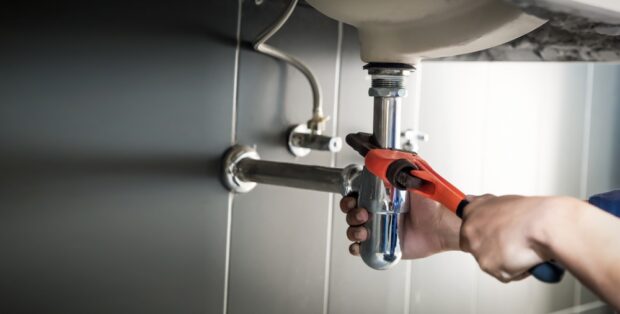
When something goes wrong with your plumbing, one of the first questions a homeowner faces is whether to repair the existing pipe or replace it entirely. This decision is not always straightforward. The right answer depends on several factors, including the age of your pipes, the severity of the damage, the material they are made from, and your long-term budget. Understanding the difference between pipe repair vs replacement can save you thousands of dollars and prevent future headaches.
Whether you are dealing with a minor leak or a full sewer line failure, knowing your plumbing pipe solutions will help you make a smarter, more informed choice.
Understanding the Scope of Pipe Damage
Before any decision can be made, a plumber needs to assess the full scope of the damage. Not all pipe problems are created equal. A small crack in an accessible section of pipe is a very different situation from a corroded line running beneath your foundation or a collapsed sewer pipe buried deep in your yard.
Pipe damage generally falls into a few categories. Localized damage refers to a single problem area, such as a pinhole leak, a cracked joint, or minor corrosion in one spot. Widespread damage refers to deterioration that has spread across a large section of the pipe system, often seen in older homes with galvanized steel or cast iron pipes. Structural failure is the most severe category, where the pipe has collapsed, severely shifted, or broken apart due to tree root intrusion, ground movement, or extreme age.
A professional camera inspection is often the best way to determine which category your pipes fall into. This inspection sends a small camera through the pipe to give a clear, real-time view of the interior condition. Without this step, it is easy to either underestimate or overestimate the problem, which can lead to costly mistakes either way.
When Pipe Repair Makes Sense
Pipe repair is generally the preferred first option when the damage is contained and the rest of the pipe system is in good condition. It is faster, less invasive, and more affordable in the short term. For homeowners working with a tight budget or dealing with a problem in an otherwise healthy plumbing system, repair is often the smarter immediate choice.
One of the most popular modern repair methods is trenchless pipe lining, also known as cured-in-place pipe lining (CIPP). This technique involves inserting a resin-coated liner into the damaged pipe and allowing it to harden, effectively creating a new pipe within the old one. It requires no excavation and can extend the life of a pipe by several decades. Another trenchless option is pipe bursting, where a new pipe is pulled through the old one, breaking the old pipe apart as it goes. These sewer line repair options are especially valuable when the pipe runs under concrete, landscaping, or structures that would be costly to dig up.
Spot repairs are another common solution when damage is truly localized. A plumber can cut out the damaged section and replace just that portion, often completing the job in a matter of hours. This approach works well for accessible pipes in walls, crawl spaces, or utility areas where the surrounding pipe material is still structurally sound.
The key consideration here is the overall condition of the pipe network. Repairing a single section of a pipe that is already degraded throughout may only delay the inevitable. If your plumber tells you that other sections of the same line are showing signs of wear, putting money into a spot repair could be a short-sighted decision.
When Pipe Replacement Is the Better Investment
There are situations where pipe replacement is not just advisable but necessary. If your home still has original pipes from several decades ago, especially if they are made of galvanized steel, polybutylene, or orangeburg, replacement is almost always the better long-term investment. These materials have a known lifespan and tend to fail in multiple locations once they begin to deteriorate.
Full pipe replacement makes the most sense when a large percentage of the pipe system is compromised. Continuous repairs on aging pipes can quickly add up to more than the cost of a full replacement, and they rarely address the root cause of the problem. Replacing the entire line gives you a clean slate, often with a warranty, and eliminates the risk of recurring failures for decades to come.
Pipe replacement is also the right call when there is severe root intrusion that has structurally compromised a long section of sewer line, when the pipe has collapsed or shifted significantly, or when inspection reveals widespread scaling or blockage that cannot be cleared effectively. In these scenarios, patching over the problem is not a sustainable plumbing pipe solution.
From a home value perspective, buyers and inspectors take note of the age and condition of the plumbing system. Homes with updated, modern pipe materials are more appealing and can command a higher price. If you are planning to sell your home in the near future, replacing outdated or failing pipes can be a worthwhile investment that pays off at closing.
Comparing Costs: Short-Term vs. Long-Term Thinking
Cost is usually the first concern for homeowners when comparing pipe repair vs replacement, and understandably so. Repairs are almost always cheaper upfront. A trenchless liner repair might cost a fraction of what a full pipe replacement would run, and a simple spot fix can often be done for a few hundred dollars. This makes repair an attractive option when budgets are tight.
However, long-term thinking changes the equation considerably. If you repair the same pipe three or four times over five years, you may end up spending more than you would have if you had replaced the line from the start. Each repair visit includes labor, materials, and potentially diagnostic costs, and none of those visits address the underlying aging of the pipe itself.
Replacement costs vary widely depending on the pipe material, the length of the line, the depth of installation, and whether excavation is required. Trenchless replacement methods can reduce costs significantly by eliminating the need to dig up yards, driveways, or interior flooring. Traditional open-cut replacement is more disruptive but may still be the most appropriate method depending on the specific conditions.
It helps to ask your plumber for a cost-benefit breakdown that compares the estimated lifespan of a repair versus a full replacement. A reputable contractor should be able to give you a clear picture of what each option costs today and what you can realistically expect down the road.
How to Choose the Right Plumbing Contractor
The quality of the decision you make about pipe repair vs replacement depends heavily on who you hire to assess the situation. Not every plumber has the equipment, experience, or incentive to give you an unbiased recommendation. Some contractors push repairs because they are easier and faster to complete, while others may recommend replacement when a targeted repair would have been sufficient.
Look for a licensed plumber who offers camera inspection as a diagnostic service and who takes the time to explain the findings to you in plain language. Ask for a written estimate that breaks down the cost of repair versus replacement, and do not hesitate to get a second opinion if the recommended work is significant. Reading reviews, checking licensing status, and asking about warranties on both parts and labor are all important steps before committing to any sewer line repair options.
Conclusion
Choosing between pipe repair and pipe replacement comes down to the extent of the damage, the age and material of your pipes, and your long-term goals as a homeowner. Repairs offer a faster, more affordable short-term fix, while replacement provides lasting peace of mind and can be the more economical choice over time. Either way, working with a trusted, experienced plumber is the most important step you can take toward a lasting solution.
Need Plumbing Services in Modesto, CA?
Welcome to Alvarado Pumping Septic Service, your family owned and operated septic system service company. Serving Stanislaus County and the surrounding areas for over 10 years, we offer the most competitively priced services from septic tank installation to septic tank inspection. When you need a reliable and trustworthy septic pump service, Alvarado Pumping Septic Service is there to help. With emergency services available, we take away the stress that comes with costly repairs. We do it right the first time, every time. Septic tank maintenance will avoid the high cost of a repair later on; we offer a complete pumping service that will keep everything moving the way that it should, with tight and waterproof sealing. Contact us today to learn more about what we can do for you!